

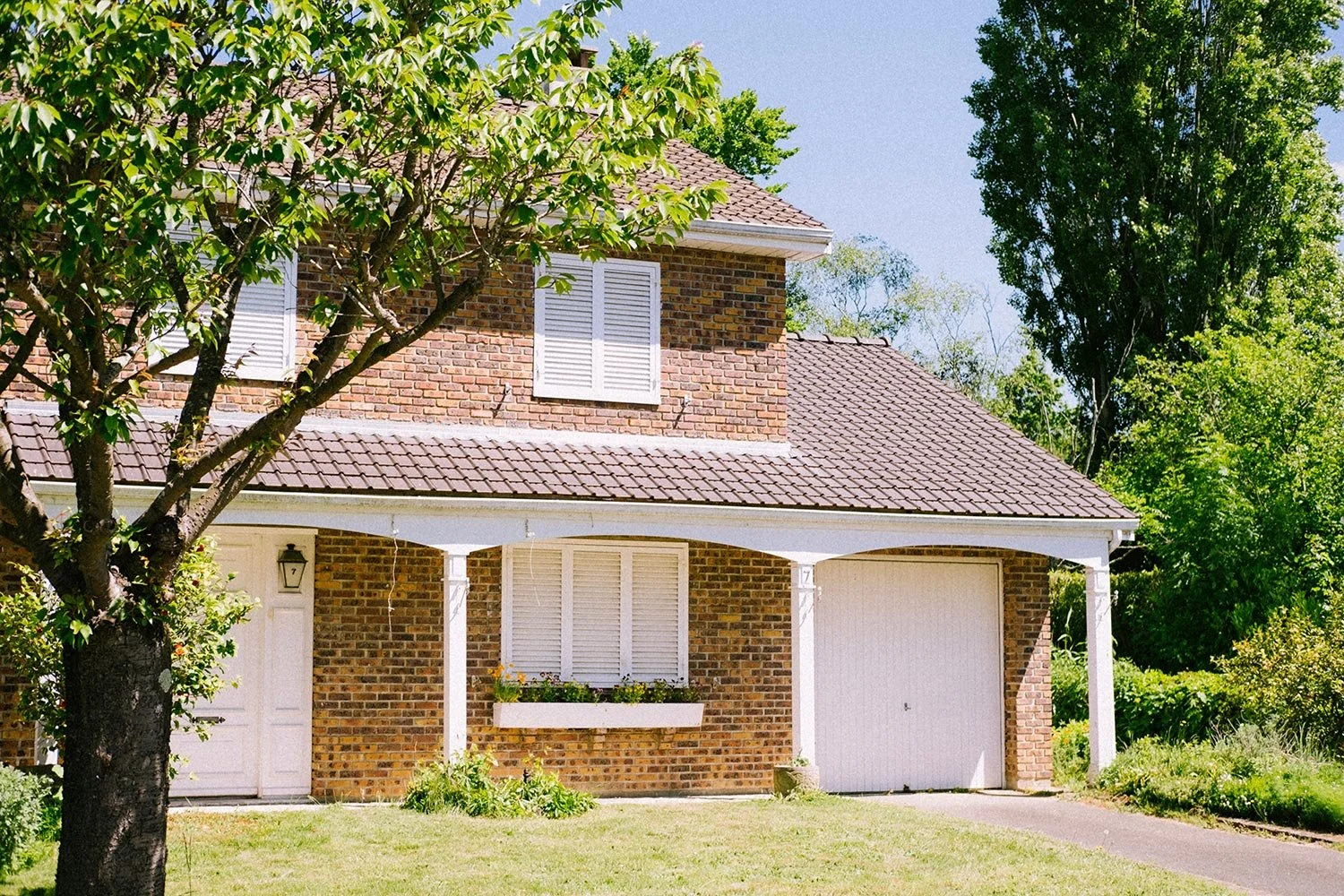
Key Takeaways:
A written agreement, not a spoken promise, is what makes seller possession after closing enforceable in Florida.
Once occupancy runs past 60 days, Florida's landlord-tenant statute starts treating the seller like a tenant.
A solid leaseback agreement after closing spells out the daily fee, the deposit, and the move-out date before anyone signs.
Land South Homes builds post-closing occupancy into many of its cash offers, so sellers can get paid and still stay 30 to 45 days without renegotiating anything.
Selling a house and moving out on the same day sounds simple until you are the one packing boxes at midnight. Florida law does allow seller possession after closing, but only when the paperwork backs it up. A verbal promise from a buyer will not hold up once plans change.
For sellers juggling a move, a new job, or a family situation, seller possession after closing can be the difference between a stressful week and a manageable one.
What Seller Possession After Closing Really Means
Most home sales assume the seller hands over keys the moment the deed records. Seller possession after closing flips that timeline. The buyer owns the property, but the seller keeps living there for an agreed stretch of days or weeks.
Ownership Transfers Immediately
This is not a loophole. It is a documented arrangement, usually attached to the purchase contract, that both sides sign before the closing table.
The buyer becomes the legal owner right away. The seller simply stays a little longer as a guest with a written agreement to back it up.
Is It Legal to Stay in Your Home After Closing in Florida?
The Standard Form Most Agents Use
Florida Realtors and The Florida Bar publish a standard rider for exactly this situation, and agents attach it to the purchase contract whenever a seller needs extra time before moving out. Florida law does not require that specific form, but skipping a written post-closing occupancy agreement entirely is asking for trouble. This same rider is often the fastest way to make seller possession after closing official without hiring an attorney.
When Florida's Landlord-Tenant Law Applies
Short stays, usually under 60 days, tend to stay governed by the purchase contract itself. Once possession runs longer than that, Florida's landlord-tenant law can take over, and a seller starts looking a lot like a tenant in the eyes of a court. That shift matters, because it changes how a buyer would need to remove a seller who overstays.
Common Reasons Sellers Ask to Stay a Little Longer
Their next home is not ready to move into yet
They inherited the property and need time to sort out the estate
A divorce is still working through the final details
Repairs on the new place are running behind schedule
They are managing a parent's estate from out of state
None of these situations are unusual. Anyone who has sold a house while planning a move already knows the calendar rarely cooperates, and post-closing occupancy exists precisely for that gap between selling and settling somewhere new. That timing gap is exactly why so many Polk County sellers start asking about seller possession after closing in the first place.
What a Post-Closing Occupancy Agreement Should Include
A post-closing occupancy agreement needs a few specific terms to actually hold up. Older paperwork sometimes calls this a seller's post-settlement occupancy period.
A firm move-out date
A daily occupancy fee, often based on the buyer's new mortgage payment
A security deposit held by the title company or closing attorney
Who carries insurance on the home during the stay
What happens if the seller does not leave on time
Skipping any one of these is usually how disputes start later. A short conversation with a closing attorney before signing tends to save both sides a much longer conversation afterward. Without those details spelled out, seller possession after closing is really just an informal favor that either side can walk back.
How Land South Homes Handles a Leaseback
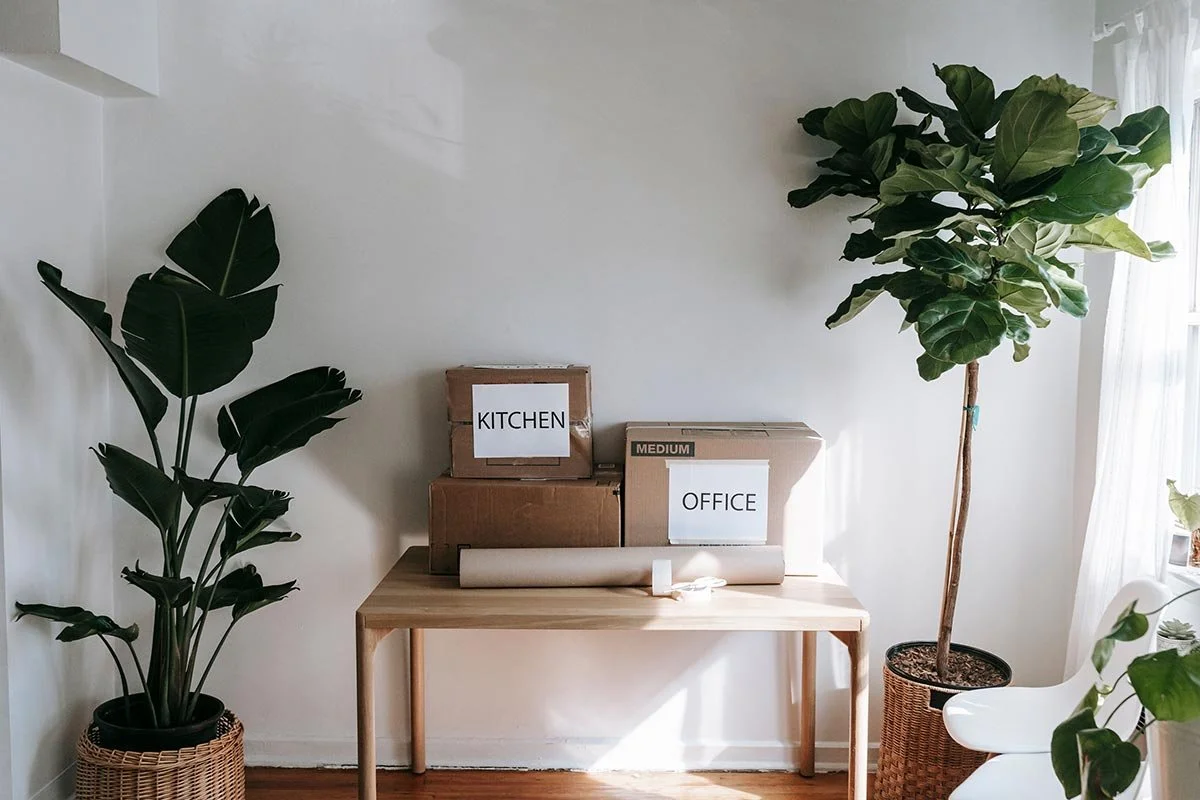
Get Paid and Stay a Little Longer
Land South Homes builds a leaseback agreement after closing into many of its cash offers already. Building post-closing occupancy into the offer upfront means nobody has to renegotiate terms once the moving trucks are already scheduled. Sellers get their funds at closing and keep the keys for 30 to 45 days afterward.
A Team With Local Experience
Land South Homes is part of a family-run group with more than 30 years in Polk County real estate, and the team can walk sellers through it in person rather than over a call center script. Once they commit to a leaseback agreement after closing, they follow through, a habit not every buyer shares.
Honest About the Alternative
The team is also upfront when a cash sale is not the best fit. If listing with an agent would net more money, Land South Homes will say so, even though seller possession after closing is one of its stronger selling points.
Listing With an Agent Versus Selling Directly
A listing agent can request a leaseback agreement after closing too, but it depends on the buyer's lender agreeing to it, and most lenders cap it well under 60 days. If the buyer's financing falls through, the arrangement disappears along with it.
Why a Direct Sale Skips That Risk
A cash buyer who already controls the funds does not need anyone else's approval to agree to 30, 45, or even 60 days of seller possession after closing. Selling directly removes that variable.
It will not bring the highest price a slow listing might reach, and that tradeoff is worth weighing honestly.
Quick Answers About Staying After Closing in Florida
-
There is no set limit under Florida law, but most agreements run 60 days or less to avoid triggering the state's residential landlord-tenant statute.
-
Usually yes, in the form of a daily occupancy fee negotiated between buyer and seller before closing.
-
No. Once the deed transfers, only a signed, written agreement protects either side if something goes wrong.
-
A well-written leaseback agreement after closing spells out a holdover fee and, in rare cases, a formal eviction under Florida's landlord-tenant law.
Ready to Sell on Your Own Timeline
A seller possession after closing arrangement only works when it is written down, and both sides understand it ahead of time. Land South Homes meets homeowners across Polk County in person to walk through what a leaseback agreement after closing could look like for their situation.
Sellers who want to talk through the details can reach out directly and tell the team about their property.