

Key Takeaways:
Insurance rates across most of Florida are stabilizing in 2026 thanks to 2022-2023 legislative reforms that cracked down on fraud and litigation abuse.
Stricter underwriting now means older or storm-affected homes often need costly repairs before they qualify for coverage, creating new friction for traditional sales.
A cash sale skips the qualification challenge entirely by not requiring a mortgage lender, repairs, or insurance.
For several years now, home insurance rates in Florida have been unstable, forcing homeowners to face rising and unpredictable premiums. Many of these issues were caused by frivolous lawsuits, poorly backed companies, and the unprecedented closure of most private insurers in the state. But now, in 2026, it appears the tide is turning.
The Florida Office of Insurance Regulation (OIR) recently announced that 51 of Florida’s 67 counties, including Polk County, have experienced rate decreases. Citizens Property Insurance, Florida’s “Insurer of Last Resort,” announced a statewide average reduction of 8.7%. The state is also seeing a resurgence of competition, with 17 new insurance companies entering the market. All of this was a result of historic litigation reform, which cut the state’s share of national homeowners suits from 79% to 41%, a 25-year low.
These Florida property insurance changes are a good thing for the state, but the reforms that motivated them are still in their infancy. Homeowners, especially those who wish to sell in the traditional market, still face challenges.
Understanding Homeowners Insurance Coverage in Florida
Homeowners insurance in Florida operates within a dual-market structure: a profit-driven market of admitted carriers and a state-created, non-profit safety net known as Citizens Property Insurance Corporation. Citizens offer statutorily-capped home insurance rates in Florida to eligible property owners, those who couldn’t otherwise secure private home insurance; that’s why it’s often referred to as the “Insurer of Last Resort.”
From Necessity to Dependency
What started as a necessity in the state led to a dependency. Citizens was never meant to be a solitary or leading provider. In fact, policies and restrictions were put in place to prevent it. Still, in the wake of destructive storm systems and lawsuits, Florida property insurance changes occurred. Private insurers fled the state, leading to an over-reliance on Citizens.
Post-Crisis Shift
The bulk of the insurance exodus happened between 2021 and 2023. Between new reforms and legal protections, the competitive dual market is rebounding. Now, Florida wants to deflate the ballooned Citizens program and bolster the private market, encouraging more private insurers to return to its shores. So far, the effect is positive, and home insurance rates in Florida are dropping.
Why Home Insurance Rates in Florida Are Stabilizing
Many argue that the current stabilization of homeowners insurance in Florida is a direct result of legislative changes made between 2022 and 2023, primarily those that came from Senate Bill 2-A (SB 2-A) and The Insurer Accountability Act. Each bill led to legislative changes that would curb fraud and rampant litigation abuse while also protecting homeowners against predatory practices.
SB 2-A Improves the Appeal of the Florida Market
Lawsuits were the leading edge of insurance market challenges in the state. SB 2-A is one of the Florida property insurance changes that is credited with curbing litigation costs and widespread assignment of benefits practices that are often credited with the issue.
Under SB 2-A, the state eliminated the award of one-way attorney fees, restricted who has a right to sue, and reduced the time a homeowner has to sue from two years to one. The law also requires homeowners to file a pre-suit notice.
Insurers, under the law, must also meet adjusted deadlines. They must:
Acknowledge receipt of claims within 7 days
Begin investigations within 7 days of receiving proof of loss
Conduct necessary physical inspections within 30 days of receiving proof of loss
Pay or deny a claim within 60 days of notice.
The Insurer Accountability Act Improves Oversight
Under the Insurer Accountability Act, Florida property insurance changes include increased oversight and hefty fines for unfair claims practices. The law specifically calls out questionable claims handling by disallowing alterations to adjuster reports. It also forces insurers to create, use, and certify claims handling manuals. Violations of the law result in maximum fines for non-willful violations and potential criminal referrals for willful violations.
How Insurance Issues Can Slow Down a Traditional Sale
While the legislative changes have had a positive effect on the insurance market and home insurance rates in Florida, they aren’t without their consequences. The new regulatory framework means homeowners insurance in the state now comes with stricter structural requirements, especially if you want the best rates. This is problematic for homebuyers and sellers.
The Traditional Sale Dilemma
The Florida property insurance changes have effectively transformed the traditional homebuying process. Home insurance has evolved from a standard checklist item into a hurdle that can now delay or even derail a transaction.
Because private insurers face increased governmental and reinsurance demands, many have made it more difficult to qualify for policies, primarily on older or storm-affected homes. Difficult doesn’t mean impossible, but it does mean expensive.
From roof mandates to wind mitigation standards and four-point inspections, traditional mortgage-backed buyers are responsible for higher closing and carrying costs — and that’s only if they can get approved for active hazard insurance. This means most buyers shift their focus from “as-is” properties to move-in ready homes.
What This Means If You’re Selling an Older or Storm-Affected Home
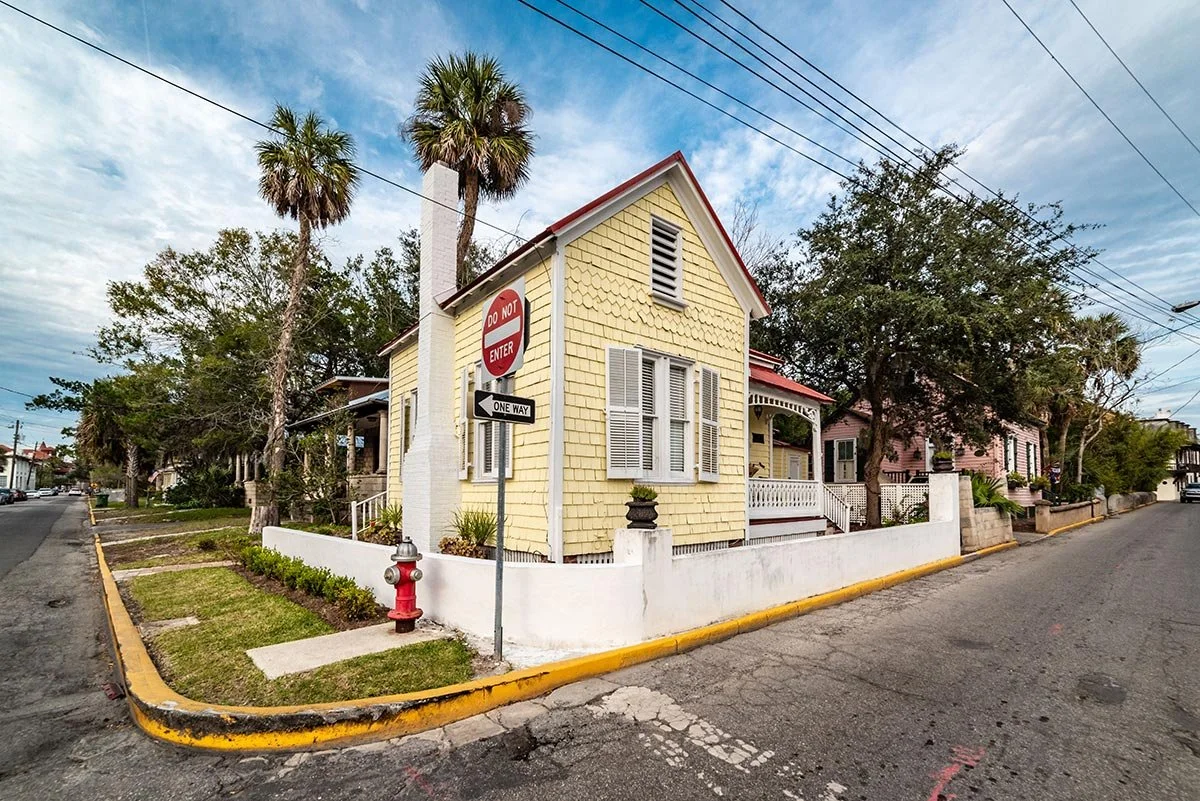
The shift in home insurance rates in the state is beneficial for homeowners, but the property insurance changes that are leading the charge for that shift are problematic for a specific set of home sellers: those selling older or storm-affected homes. It may not have been the intention, but it is the result.
Home insurance in Florida now essentially requires a home to be structurally and mechanically sound. This means sellers who expect to earn top dollar in the traditional market should expect to:
Replace a roof that is older than 12 to 15 years
Upgrade older electrical panels
Replace unprotected or damaged windows
Repair structural damage or issues
This may sound fair on the surface, but for retirees or those on fixed incomes, these expectations represent serious financial challenges. Many people selling older or storm-affected properties are doing so because they cannot afford to maintain them. Asking these sellers to make further investments in the hope of finding an ideal buyer is unfair and unrealistic.
Cash Offers as a Way Around the Insurance Hurdle
For sellers looking for alternative options outside of the traditional homebuying process, consider cash buyers. While an all-cash transaction may not offer top dollar for your property, it’s free of the hurdles presented by Florida’s property insurance changes. A cash sale means:
No mortgage lender
No insurance underwriting
No structural or mechanical repairs
It’s truly an as-is purchase, and it’s a process Land South Homes has over 30 years of experience with in Polk County. We are a cash-funded operation offering fair leaseback options when necessary, and are ready to make an offer. Submit your property details today.