

Key Takeaways:
Older homes in Polk County have real charm, but “older” often means outdated systems and structural wear tied to Florida’s climate and soil.
Financing an older home isn’t simple; insurance inspections, appraisals, and FHA/VA standards can all stand in the way of a traditional sale.
Renovating can be costly with no guaranteed return, making a cash sale a faster, more predictable alternative.
There’s a charm to aging homes in Polk County. Craftsman bungalows populate streets and suburbs. Their low-pitched gable roofs, prominent front porches, and deep overhanging eaves with exposed rafter tails welcome neighbors and friends, symbolic of simpler times.
Historic districts, such as Lakeland, showcase Mediterranean revivals with textured stucco walls, low-pitched red clay tile roofs, arched entryways, and small balconies with wrought-iron detailing; an emblem of Florida’s 1920s real estate boom.
Old homes in Florida should be cherished, protected even. Still, the realities of maintaining older homes include expenses — costs that often push owners toward selling an old house rather than investing in it.
For some older homes, sales come quickly; for others, offers never come or trickle in warily. That disparity often comes down to maintenance challenges and financing hurdles unique to Florida.
Defining an “Older Home” in Polk County
According to the National Register of Historic Places (NRHP), a house 50 years or older can qualify for historic status. Obviously, there are other caveats, such as historical relevance and importance, but as a baseline for defining older properties, from a preservation and aesthetic standpoint, the NRHP’s rule is authoritative.
However, it’s possible to have old homes in Florida that aren’t 50 years old, especially when weighed against improved structural requirements. The state’s building code, updated following Hurricane Andrew, defines older homes as those built before 2002.
These homes don’t meet modern wind-load engineering standards. They typically lack secondary water barriers on the roof and are missing standard hurricane strapping.
You can correct these issues with older home renovations, but is the investment worthwhile? Aging homes often have problems beyond the structure. At some point, selling an old house is more economical than investing in upgrades for it.
Common Structural and Mechanical Issues in Aging Homes
Because of the tropical climate, limestone and clay soil, changing building practices, and normal aging, old homes in Polk County, Florida face common structural and mechanical challenges.
Structural Problems
Polk County is inland and sits on porous, dissolvable limestone bedrock and erratic clay strata. It doesn’t have the same concerns as coastal properties with their sand and saltwater, but older homes often share structural worries, such as foundation settlement and cracking.
Also, the county’s older historic districts feature pre-1960s houses built with pier-and-beam foundations, which included crawlspaces. After years of exposure to Florida’s tropical, humid environment and the county’s own high water table, the floor joists and subflooring can become spongy and bow or rot.
The dampness, destructive in its own right, caters to subterranean and drywood termites. Because of humidity and warm annual temperatures, old homes in Florida often provide an ideal year-round environment for these insects, allowing them to hollow out structural timber.
If you choose to invest in older home renovations, consider upgrading aging roof systems. Selling an old house without updating the roof may expose its weaknesses. The structures often can’t withstand driving rains and aggressive winds common to tropical storms. Winds can lift roof tiles, exposing unprotected underlayment and trapping moisture. Moisture leads to rot and other troubles.
Mechanical Challenges
Old homes in Florida face premature failures of air conditioning (AC) systems and roof decking systems. Because of unrelenting heat cycling and high humidity, most homeowners run their AC systems non-stop. While necessary to safely dehumidify indoor air, this constant operation burns out mechanical components years in advance.
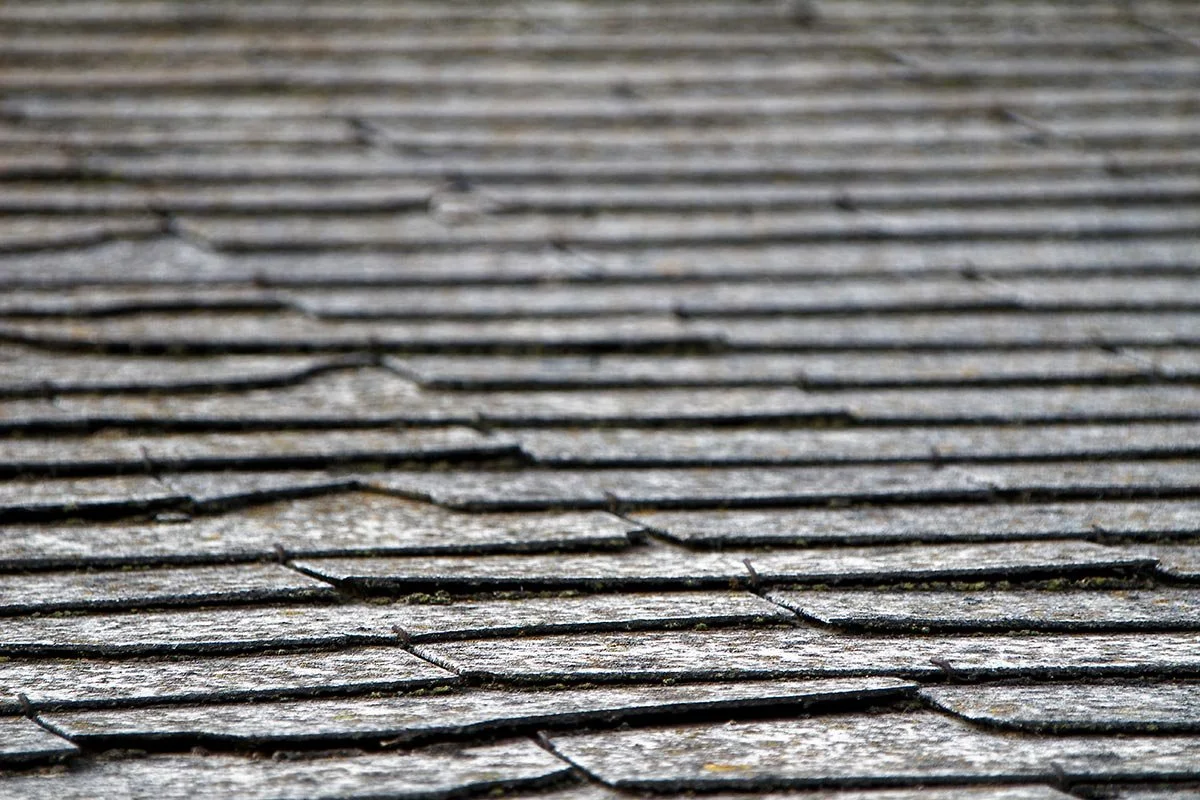
The cycle of intense daytime heat followed by drastic cooling at night causes successive expansion and contraction of roofing materials. The process is often exacerbated by daytime rains. This repetitive process shortens material lifespan and may cause micro-cracks in asphalt shingles and weaken flashing, sealants, and seams.
With many old homes in Florida, especially Polk County, built before 1975, it’s common to find cast-iron drain lines and cloth-covered wiring paired with ungrounded branch circuits and outdated electrical panels. Each presents unique challenges to home sellers, especially those wishing to sell through traditional channels.
How Age-Related Issues Affect Buyer Perception and Financing
Selling an old house in Florida means investing in older home renovations. While some buyers may see a charm in aging properties, they quickly become disenchanted when age-related issues appear. Older roofs, outdated electrical and plumbing systems, and foundation cracking expose the realities of ownership. Each problem highlights the financial risks of older properties, and that’s before a buyer even considers the financial roadblocks from traditional mortgage lenders and insurers.
Insurance and Appraisal Hurdles
For sellers of old homes in Florida, the reality of selling traditionally ties directly to upgrades and costs. Sellers who sell their homes as-is on the market face harsh appraisal devaluations and a limited buyer pool. Most traditional home buyers require a mortgage. Lenders require home insurance coverage. Home insurers require strict four-point inspections on houses older than 20-30 years. If your older home has a roof approaching 15 years old, vintage electrical panels, or cloth wiring, buyers likely won’t find coverage.
FHA and VA Loan Standards
Polk County buyers often use government-backed loans to purchase properties. Federal Housing Administration (FHA) and Veterans Affairs (VA) minimum property standards (MPS) focus on the safety and structural soundness of a property. Roofs with less than two to three years of economic life, cast iron pipes with signs of wear, and outdated electrical systems force these lenders to deny loans.
Selling Options
Sellers of old homes in Florida are left with two choices: invest in older home renovations or pursue other sales avenues. For many people, selling an old house is a necessity. They can no longer afford to maintain it. The idea of investing in renovations is impractical, especially without a guarantee they’d recoup the expense.
That leaves selling the house as-is. On the traditional market, older homes likely sit, becoming stale inventory as they wait for the ideal buyer and offer. Many sellers can’t afford to carry the ownership costs and risks of a property long-term. Thankfully, there is another option: a cash sale.
Selling Your Older Home As-Is With Land South Homes
Selling old homes in Florida for cash is often the quickest way to sell, but you likely won’t get top dollar for your house. Cash buyers purchase properties as-is, meaning you don’t need to invest in upgrades; they take on all the structural and mechanical risks. This doesn’t mean you won’t receive a fair offer.
Cash offers also mean a faster and simpler closing. Sellers don’t need to meet insurance requirements, lender standards, or face appraisal critiques. It’s a straightforward process.
Land South Homes is a local, Polk County-based cash buyer with over 30 years of experience. If you want to skip the repairs and possible delays of a traditional sale, tell us about your property.